
Trusting the paint code and nothing else
The first mistake is assuming that the paint code on your vehicle's door jamb is all a shop needs to match the color. The code identifies the formula the factory used when the vehicle was new, but paint does not stay the same. UV exposure, heat cycles, washing, and environmental exposure shift the color over months and years. A panel painted straight from the code can look noticeably different from the surrounding original finish, especially on vehicles that have spent years in the Florida sun. Proper automotive painting and color matching starts with the code but does not end there. The shop measures the existing finish with a spectrophotometer where available, builds a adjusted formula, and sprays test cards to compare against the vehicle before any paint touches the repair. The difference between a shop that relies on the code alone and one that builds a true match is the difference between a repair you can see and one you cannot.
Skipping the surface preparation
The second mistake — and the most common — is underestimating surface preparation. The visible paint is only the last layer of a stack that includes sanding, degreasing, primer, sealer, and body filler where needed. Skipping or rushing any of these steps shows up later as fisheyes, peeling, adhesion failure, or a finish that dulls within months. A collision and auto body repair that skips preparation to save time produces a repair that looks acceptable at pickup but deteriorates quickly. The difference between a paint job that lasts for years and one that fails within months is almost entirely in the invisible preparation work. Ask how the surface will be prepared, how many primer and sealer coats will be applied, and what contamination controls the shop uses. The answers tell you whether the shop is building a lasting repair or a temporary one.
Painting without environmental control
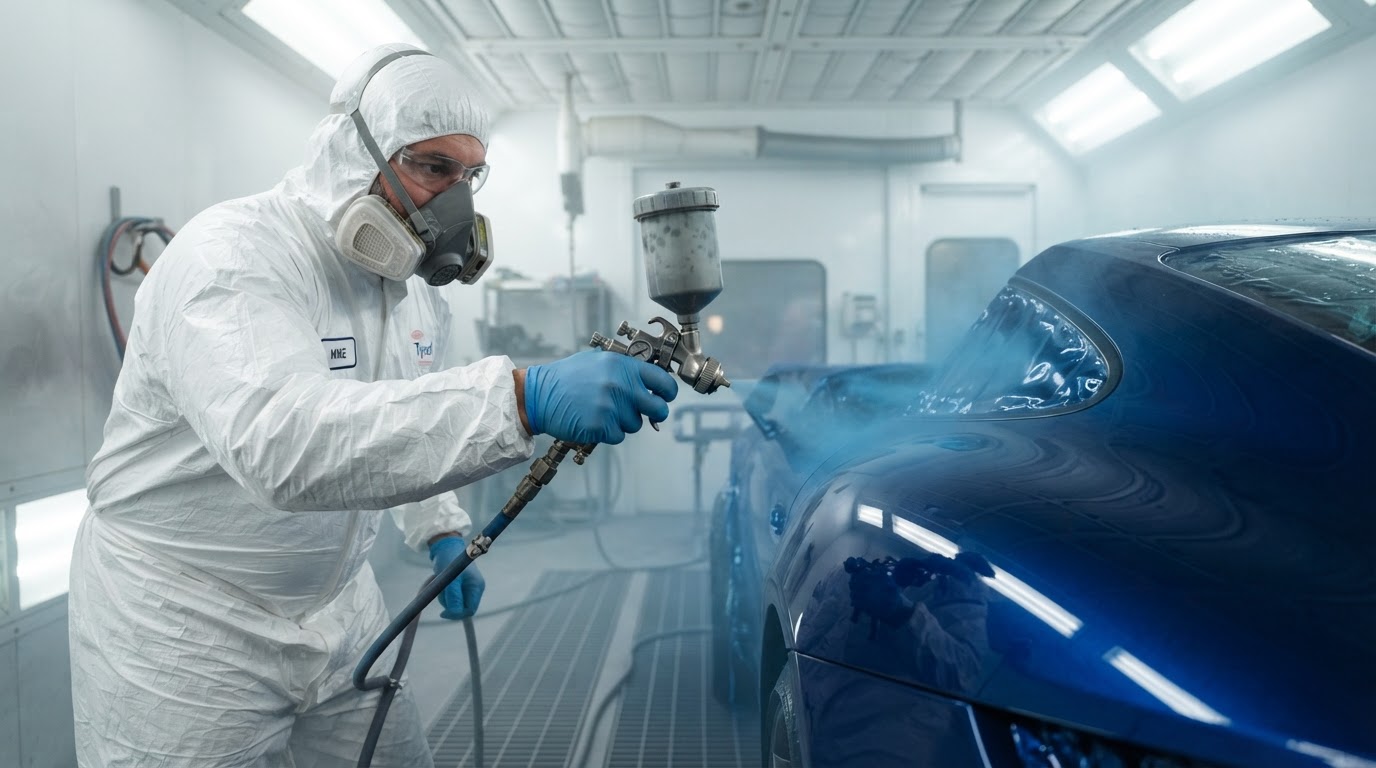
The third mistake is painting in an uncontrolled environment — a driveway, an open bay, or a shop without a proper spray booth. Dust, humidity, and temperature all affect how paint lays down and cures. A particle of dust landing on a wet clear coat creates a visible defect. High humidity slows curing and can cause blushing — a cloudy, milky appearance in the clear coat. Temperature extremes affect how the paint flows and levels. Professional refinishing happens in a downdraft spray booth with filtered air and controlled temperature, which is why booth-painted finishes are smoother and more durable than those done in open air. A scratch repair, polishing, and finishing repair done without environmental control will show contamination in the final texture — small bumps, dust nibs, or an uneven sheen that no amount of polishing can fully correct. The environment is not a luxury; it is a requirement for a quality finish.
Expecting a match without blending
The fourth mistake is expecting a repaired panel to match the surrounding finish without blending. Even a perfectly matched color can show a visible boundary where the new paint meets the old, because the adjacent panels have aged differently. Blending is the technique of feathering the new color into the adjacent panel — often across a body line or into the next door — so there is no visible edge. Without blending, the repaired panel stands out as a bright, perfect rectangle next to the older, slightly faded surrounding paint. A proper panel alignment and damaged parts replacement repair includes blending into adjacent panels so the entire side of the vehicle reads as one continuous finish. Done correctly, you should not be able to find the repair. If you can see a color difference at the boundary, the blending was not done correctly — and a shop confident in its paint work will correct it.
Waxing or coating fresh paint too early
The fifth mistake is applying wax, sealant, or ceramic coating to fresh paint before it has fully cured. New paint continues to outgas — releasing solvents — for weeks after application. If you seal the surface with wax or coating before the outgassing period ends, the trapped solvents can cause dulling, blistering, or adhesion problems. Most shops recommend waiting 30 to 90 days before waxing a freshly painted panel. During that period, wash gently with a pH-neutral shampoo, avoid automatic car washes with brushes, and do not use polish or compound. The paint needs to breathe and harden before any protective layer is applied. Following the automotive painting and color matching aftercare guidance from your shop protects the investment you have made in the repair. Ignoring it can turn a flawless finish into one that dulls or blisters within the first year.
Mixing paint systems from different manufacturers
The sixth mistake is using primer, base coat, and clear coat from different manufacturers in the same repair. Each manufacturer formulates its products to work as a system — the primer bonds to the substrate, the base coat bonds to the primer, and the clear coat bonds to the base coat. When you mix brands, the chemical compatibility is not guaranteed. The result can be adhesion failure, dulling, cracking, or a finish that looks correct initially but deteriorates months later. Quality shops use a complete system from one manufacturer for every repair. This is invisible to the customer but critical to the longevity of the finish. When choosing a shop, ask what paint system they use and whether they use the same manufacturer for all layers. The answer reveals whether the shop is building a durable repair or cutting corners on materials. If you are unsure what to ask, request an assessment and let the shop explain its process.
Frequently Asked Questions
Why doesn't the paint code guarantee a perfect match?
The paint code identifies the factory formula, but paint ages with UV exposure, heat, and environmental factors. A panel painted straight from the code can look different from the surrounding finish. A proper match measures the existing finish and adjusts the formula accordingly.
How long should I wait before waxing a freshly painted panel?
Most shops recommend 30 to 90 days. Fresh paint continues to release solvents, and sealing the surface with wax too early can trap those solvents and cause dulling or blistering. Wash gently with pH-neutral shampoo during the curing period.
What is blending, and why does it matter?
Blending feathers the new color into the adjacent panel so there is no visible boundary. Without blending, even a perfectly matched color can show a visible edge between the repaired panel and the older surrounding finish. Done correctly, the repair should be invisible.
Why does a spray booth matter?
Dust, humidity, and temperature all affect how paint cures. A downdraft spray booth with filtered air and controlled temperature produces a smoother, more durable finish than painting in open air. Without environmental control, contamination shows up in the final texture.
Can I wash my car right after a paint repair?
Wait a few days for the initial cure, then wash gently by hand with a pH-neutral shampoo and a clean microfiber mitt. Avoid automatic car washes with brushes, and do not wax or polish for the period your shop recommends — typically 30 to 90 days.
What happens if different paint products are mixed?
Mixing primer, base, and clear from different manufacturers risks chemical incompatibility. The result can be adhesion failure, dulling, or cracking that appears months later. Quality shops use a complete system from one manufacturer.
This article provides general guidance about automotive paint repair and does not replace an in-person assessment of your vehicle's specific finish and damage.
Need automotive painting & color matching in West Park?
Cannan Family Collision inspects, documents and repairs — with a written estimate you can share with your insurer.